

Introduction
The phrase “link gacor” has become increasingly common across online communities, gaming forums, and social media platforms. In many cases, it is associated with online gambling websites and is used to describe links that users believe provide better chances of winning or easier access to a platform. One example is the keyword “link gacor sultankoin99.net,” which appears in search trends and discussions among internet users.
However, before trusting any website or claim related to online gambling, it is important to understand what the term actually means, how such claims are used in online marketing, and the risks involved. This article explores the concept of “link gacor,” examines common misconceptions, and provides guidance for staying safe online.
Table of Contents
What Does “Link Gacor” Mean?
The word “gacor” is popular internet slang in Indonesia. Originally, it was often used to describe something that performs exceptionally well. Over time, the term became widely used in online gambling communities to suggest that a particular platform, game, or access link offers a higher likelihood of favorable results.
When combined with the word “link,” the phrase “link gacor” generally refers to a website address that users believe provides access to a platform with better winning opportunities or smoother gameplay.
It is important to note that these claims are usually based on personal opinions, anecdotal experiences, or marketing messages rather than verified evidence.
Why Do People Search for Link Gacor Websites?
There are several reasons why users search for terms such as “link gacor sultankoin99.net.”
1. Curiosity
Many people encounter the term through advertisements, social media posts, or recommendations from friends and want to learn more.
2. Accessibility
Some users search for alternative website links when a platform becomes unavailable in their region or changes its domain address.
3. Perceived Winning Opportunities
Marketing messages often suggest that certain platforms offer better odds or more frequent payouts. These claims can encourage users to search for specific websites.
4. Community Influence
Online forums and chat groups frequently discuss websites, promotions, and gaming experiences. Community recommendations can significantly influence search behavior.
Understanding How Online Gambling Works
One of the most common misconceptions surrounding “gacor” claims is the belief that certain links or websites can influence game outcomes.
In reality, reputable online gaming platforms typically use software systems that determine results independently of the website link used to access the service.
For games that rely on random outcomes, results are generally generated through algorithms designed to produce unpredictable outcomes. Accessing a platform through a different URL does not automatically improve a player’s chances of winning.
Because of this, users should approach any claim guaranteeing better results with caution.
Common Marketing Strategies Used by Gambling Websites
Many online gambling-related websites use marketing techniques to attract visitors. Understanding these strategies can help users make informed decisions.
Promotional Claims
Some websites advertise high win rates, guaranteed profits, or exclusive access opportunities. Such claims are often designed to attract attention.
Bonus Offers
Welcome bonuses, cashback rewards, and promotional credits are frequently used to encourage user registrations.
Community Testimonials
Positive reviews and testimonials may be highlighted to create trust. However, not all testimonials can be independently verified.
Search Engine Optimization
Many websites publish articles targeting keywords like “link gacor” to improve visibility in search results and attract organic traffic.
Risks Associated With Online Gambling Platforms
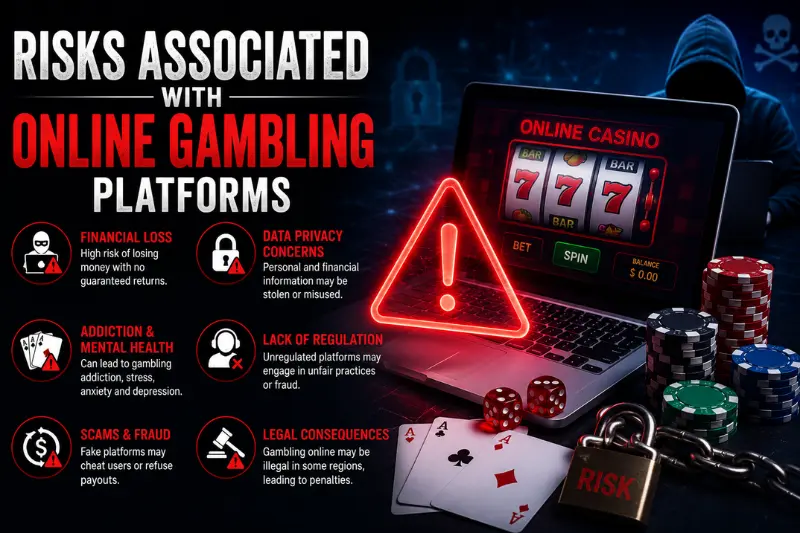
Before engaging with any gambling-related website, users should be aware of potential risks.
Financial Loss
Gambling involves risk, and there is no guaranteed method for achieving consistent profits. Users may lose more money than expected.
Privacy Concerns
Some websites may request personal information, payment details, or identity verification documents. Users should carefully review privacy practices before sharing sensitive data.
Security Threats
Not all websites maintain strong cybersecurity standards. Weak security measures can expose users to fraud, phishing attempts, or data breaches.
Addiction and Behavioral Risks
Excessive gambling can negatively affect finances, relationships, mental health, and overall well-being.
How to Evaluate the Safety of a Website
If you encounter a website being promoted online, consider the following factors before interacting with it.
Check Website Security
Look for HTTPS encryption and review whether the website uses modern security practices.
Review Transparency
Legitimate websites typically provide clear information about ownership, policies, and contact details.
Read Independent Reviews
Seek information from multiple sources rather than relying solely on promotional content.
Understand the Terms
Carefully review bonus conditions, withdrawal policies, and user agreements before creating an account.
Protect Personal Information
Avoid sharing sensitive information unless you understand how it will be stored and used.
The Psychology Behind “Gacor” Claims
The popularity of “gacor” terminology is partly influenced by human psychology.
People naturally seek patterns and often remember successful outcomes more vividly than unsuccessful ones. When someone experiences a win after using a particular link, they may associate that success with the link itself.
This phenomenon can lead to confirmation bias, where users focus on information that supports existing beliefs while overlooking contradictory evidence.
As a result, claims about specific links being consistently more successful should be viewed critically.
Online Communities and Shared Experiences

Many discussions about gambling platforms occur within online communities.
These groups often share:
- Personal experiences
- Winning stories
- Platform recommendations
- Promotional updates
- Technical assistance
While community discussions can provide useful insights, they should not be considered definitive proof of a website’s reliability or performance.
Different users may have vastly different experiences on the same platform.
Responsible Internet Usage
Whether researching gambling-related topics or any other online service, responsible internet habits are essential.
Verify Information
Always compare information from multiple sources before accepting claims as fact.
Avoid Unrealistic Promises
Be cautious of websites promising guaranteed success or risk-free profits.
Set Personal Limits
If participating in any form of online gaming, establish clear financial and time limits.
Stay Informed
Understanding how online platforms operate can help reduce the likelihood of poor decisions.
The Importance of Digital Literacy
Digital literacy plays an increasingly important role in today’s online environment.
Users who understand how marketing works are better equipped to evaluate online claims objectively. This includes recognizing:
- Advertising tactics
- Promotional language
- Influencer endorsements
- Search engine marketing
- User-generated reviews
Developing these skills can help individuals navigate the internet more safely and confidently.
Conclusion
The keyword “link gacor sultankoin99.net” reflects a broader trend in online searches related to gambling platforms and performance claims. While many users search for these terms hoping to find better opportunities or improved outcomes, it is important to recognize that such claims are often based on marketing narratives, personal experiences, or community discussions rather than verified evidence.
Before engaging with any online platform, users should prioritize security, transparency, privacy protection, and responsible decision-making. By understanding how online marketing works and approaching promotional claims critically, internet users can make more informed choices and reduce potential risks.
Ultimately, the most valuable approach is not finding a supposedly “gacor” link, but developing the knowledge and awareness needed to evaluate online information responsibly.